
About Us
Our Sustainability Experts

Cotton Incorporated’s sustainability vision, our efforts across industry, and our partnerships and affiliations are guided by a team of experts in the science and practice of sustainability throughout the cotton lifecycle.

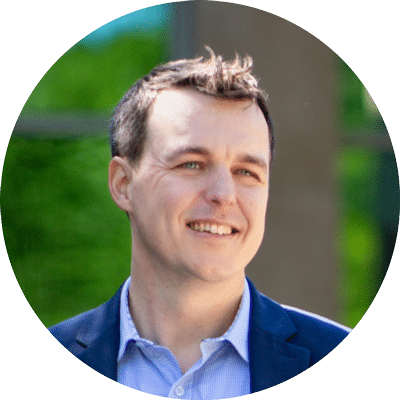
Jesse Daystar
Dr. Jesse Daystar leads sustainability research and implementation programs at Cotton Incorporated from field to fashion. Well-versed in complexities of sustainability, Jesse breaks down the science and metrics, for consumers and experts, of how cellulosic fibers are grown and apparel is made, used and discarded for the health of the planet. His research has produced numerous publications on sustainability and engineering tools; and certifications for clients including the USDA and the U.S. Department of Energy.
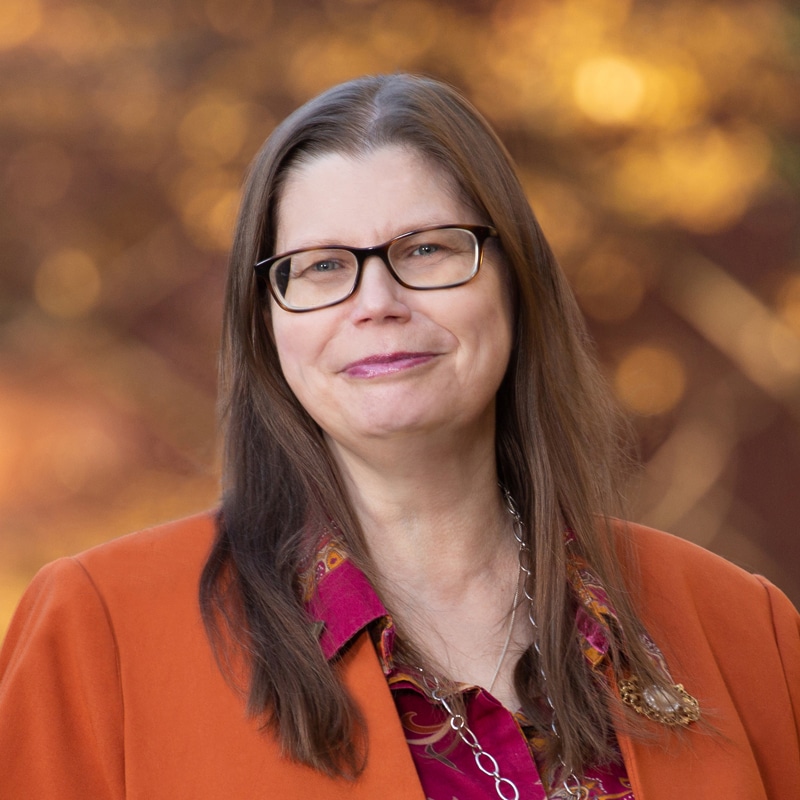
Michele Wallace
Michele Wallace’s engagement in sustainability and standards development, combined with her expertise in textile manufacturing and certification as a life cycle assessment professional, enables her to understand the challenges, seek solutions and assist the supply chain through sustainability initiatives. She represents Cotton Incorporated in industry sustainability efforts with organizations including:
- Apparel & Footwear Product Environmental Footprint (PEF) Technical Secretariat (for the European Single Market for Green Products)
- AAFA (American Apparel and Footwear Association) committees
- ASTM International
- ISO (International Organization for Standardization)
- AATCC (American Association of Textile Chemists and Colorists)
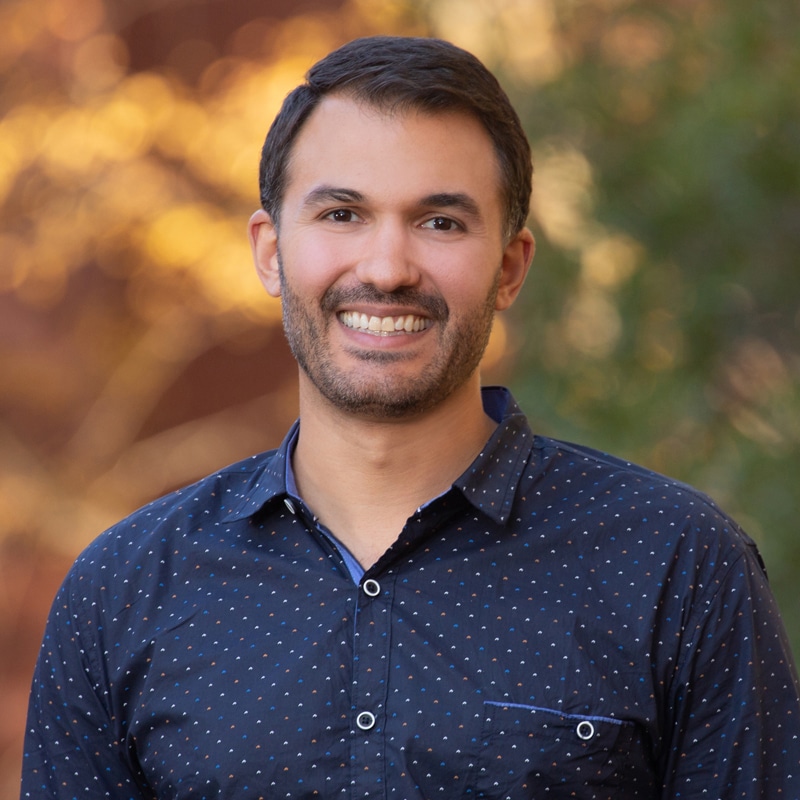
Steven Pires
Steven Pires focuses on improvement strategies for both agriculture and textile industries. Steven applies 10 years of experience in sustainability and environmental management, from dirt to shirt, through research and data-driven practices for cotton. He manages projects aimed at advancing the cotton industry to meet their 10-year sustainability goals, including to help amplify the U.S. Cotton Trust Protocol, and supports a program with Quail Forever to convert low-yielding cotton acreage to wildlife habitat.
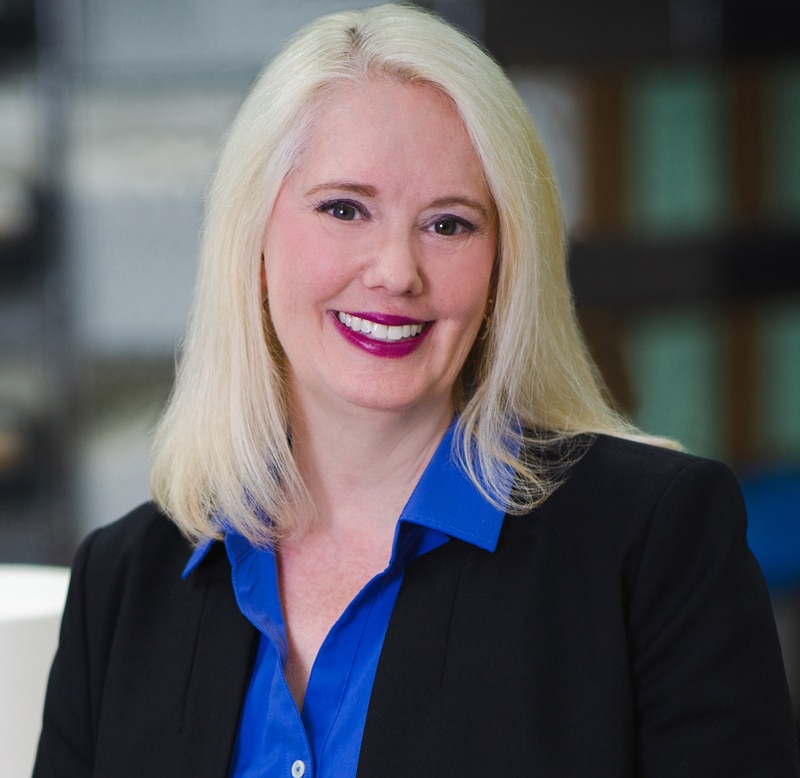
Vikki Martin
Vikki Martin leads research on cotton fiber quality measurements and software systems that utilize fiber quality, from ginning to spinning. These measurements and systems are applied to help develop cotton processing practices and support cotton breeders’ work toward improved fiber qualities. Vikki’s expert perspective is based as a textile chemist and third-generation textile worker.
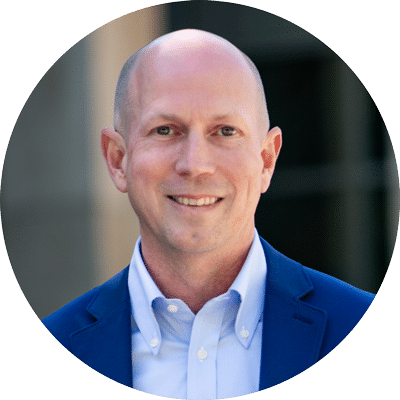
Ryan Kurtz
Dr. Ryan Kurtz develops and administers an entomology research program aimed at improving production efficiency and profitability as well as reducing cotton’s environmental impact. Ryan has authored or co-authored several publications looking into the resistance to pest management and serves as content director for Cotton Cultivated a resource for Cotton Incorporated’s agriculture research and data trends.
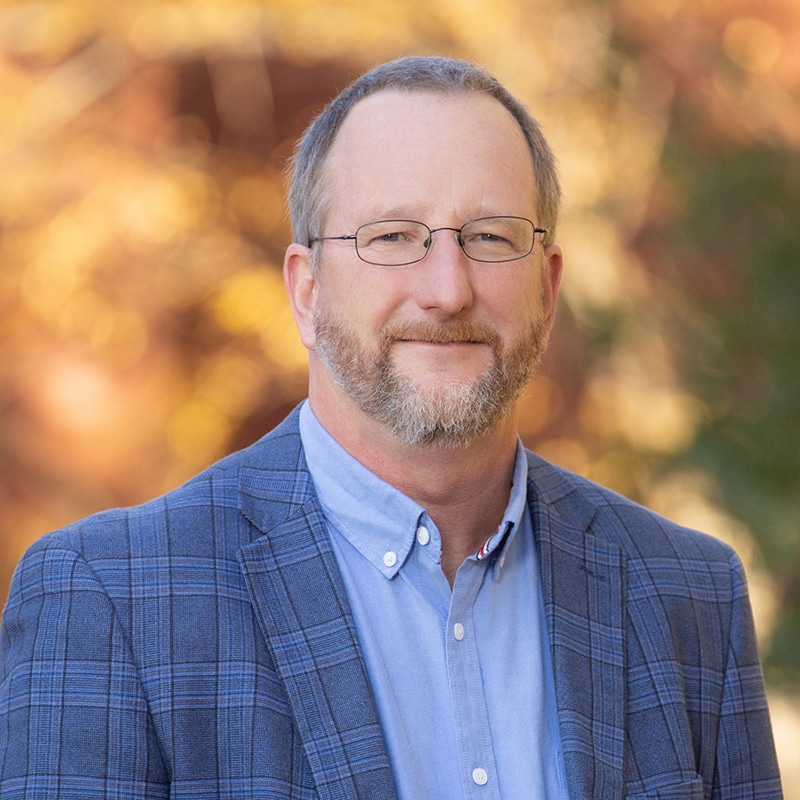
Ed Barnes
Dr. Barnes manages agricultural engineering related projects, including ginning, precision farming, irrigation, and conservation tillage system research. Over the course of his career, Ed received two USDA certificates of merit, served on the Editorial Board of Agricultural Water Management, and on the Science Advisory Council of Field to Market, The Alliance for Sustainable Agriculture. He is a Fellow of the American Society of Biological and Agricultural Engineers (ASABE) and has served on their Board of Trustees.
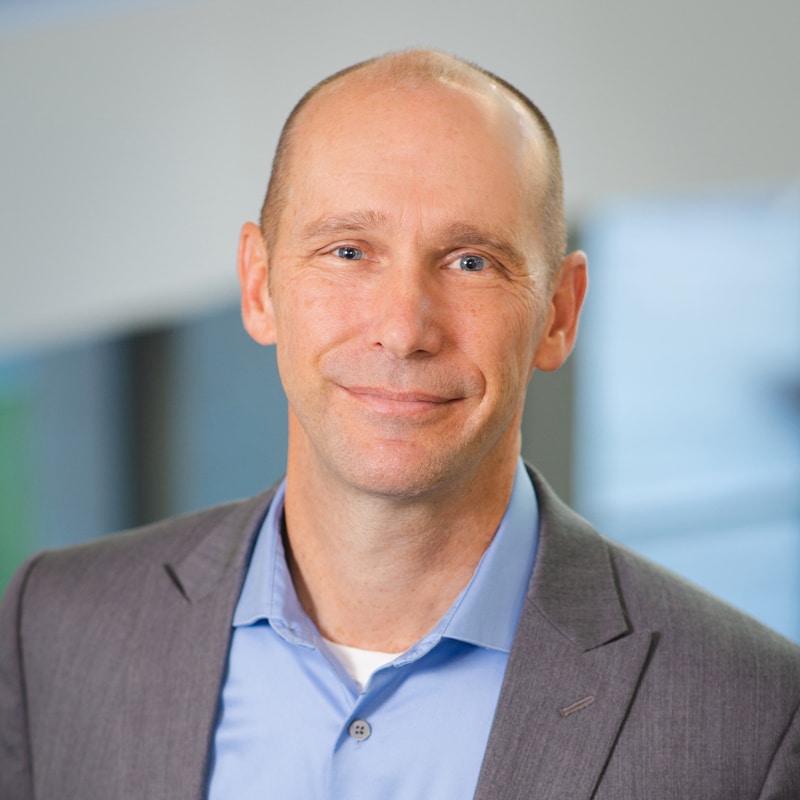
Gaylon Morgan
Dr. Morgan’s research on cotton agronomy, weeds, and diseases has been published and referred to extensively in numerous scholarly reports and industry publications. He has also participated in various conferences, webinars, and lectures during his professional career. Prior to joining Cotton Incorporated, he taught at the University of Tennessee and Texas A&M University.

Matthew Farrell
Dr. Matt Farrell conducts and manages research projects including finding more sustainable and innovative methods to add color and performance to fabrics. Matt has published and contributed to numerous research publications on technical aspects of cationic cotton as well as research focusing on the sustainability of textile dyes, fabric treatments and ways to repurpose textile waste to minimize environmental impacts.
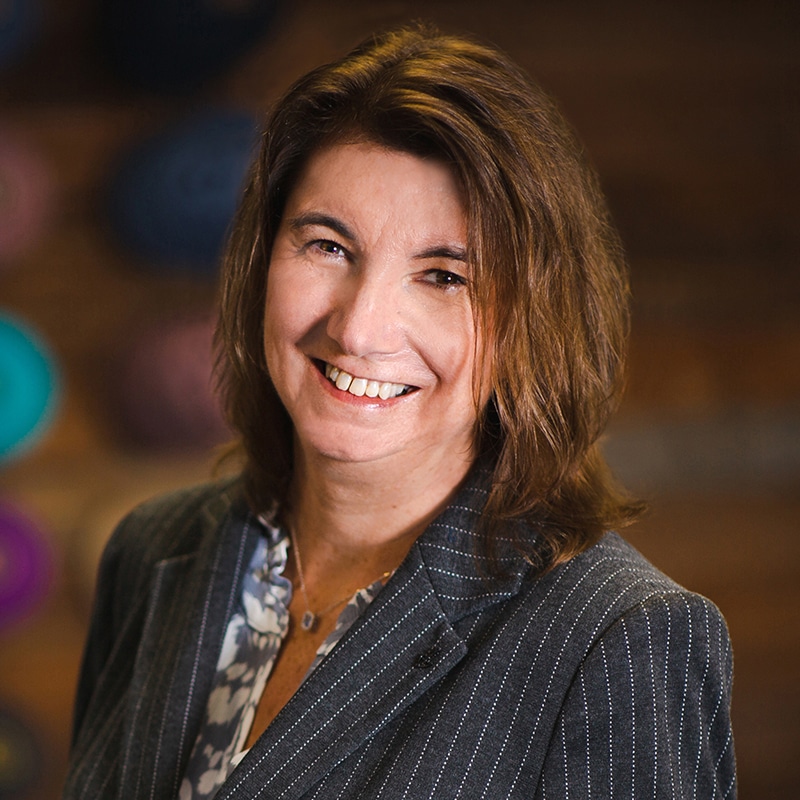
Mary Ankeny
Mary Ankeny plays an integral role in the development of strategy and oversees the day-to-day operations of the Cotton Incorporated Product Development and Implementation laboratories, as well as the internal and external research for the division. Mary has contributed to numerous research publications focusing on textiles’ impact on the environment.
Mary is a long-time member of AATCC (American Association of Textile Chemists and Colorists) and currently serves on many industry groups including as a board member for the AATCC Foundation Student Research Grant Support Program.
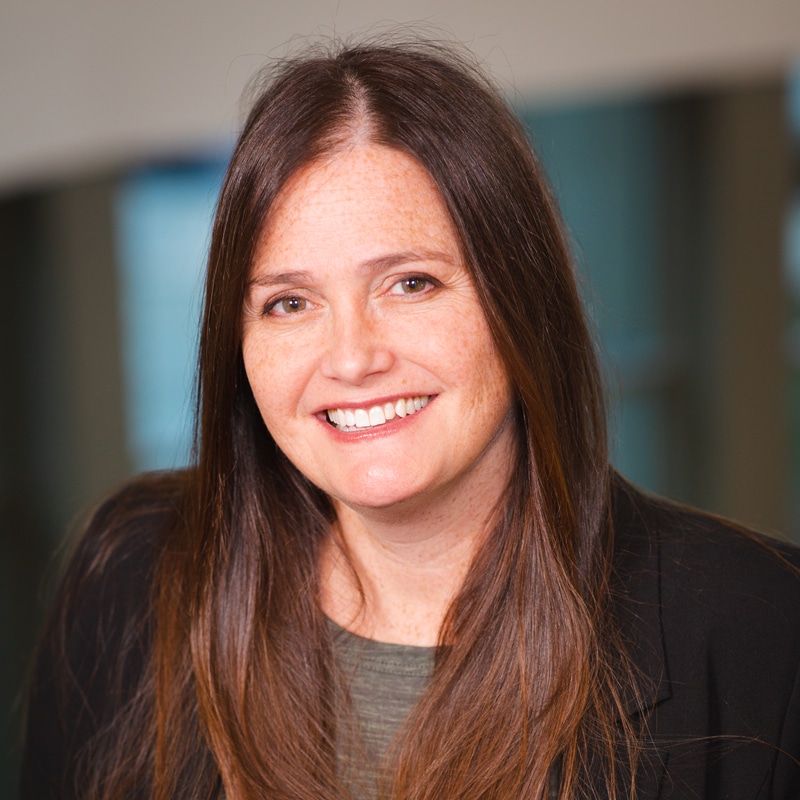
Andrea Samber
Andrea develops and executes strategic marketing initiatives with brands, retailers and student programs specifically focusing on consumer sustainability initiative, the Blue Jeans Go Green™ denim recycling program. Giving old denim renewed purpose keeps textile waste out of landfills through the renewability and circularity of cotton.
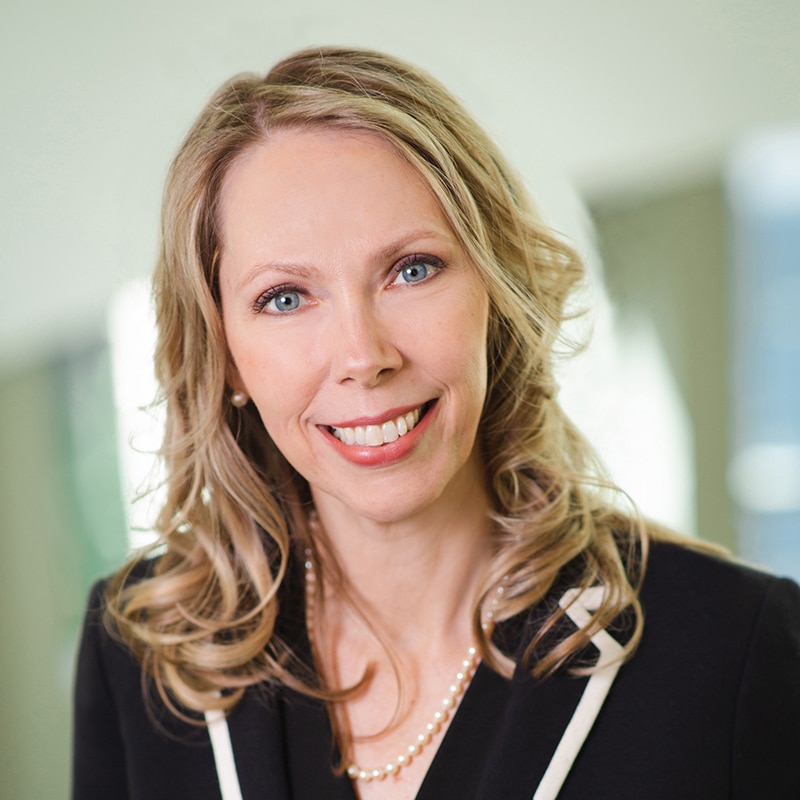
Melissa Bastos
Melissa Bastos leads research and analysis for the consumer attitude and consumption studies, offering insights into retail and sustainability assessments conducted in the U.S. and across the globe.